Please take note that our normal Monday class, 7pm – 9pm, will not be running this week. This has been decided due to it being Labour day and that the National and Oceanic Championships being run this weekend.
Many of the normal attendees of this session are still in Auckland or are need of a break. Our class will run as per normal on Thursday and Saturday this week.
Please note the below training time for the first week of the school holidays. There is the only session that is running during the first week due to the competition and training camp taking place in the Hawks Bay on Thursday and Friday.
For more information regarding this training camp, please click here.
Day
Session Time
Age Group (Classes)
Monday – 03.Oct.22
6pm – 7.20pm
Juniors (normal Sat & Thur Classes)
Monday – 03.Oct.22
7pm – 9pm
Seniors (normal Mon)
Week 2
There will be 2 classes taking place in the second week of the school holidays. We have sessions on both Wednesday and Thursday with times suited for both of our ability groups. Please note the session times that are applicable for each group of fencers.
Day
Session Time
Age Group (Classes)
Wednesday – 12.Oct.22
6pm – 7.15pm
Juniors (normal Sat & Thur Classes)
Wednesday – 12.Oct.22
7pm – 9pm
Seniors (normal Mon)
Thursday – 13.Oct.22
6pm – 7.15pm
Juniors (normal Sat & Thur Classes)
Thursday – 13.Oct.22
7pm – 9pm
Seniors (normal Mon)
For any questions, please do not hesitate in contacting us either via our contact form or by emailing us at huttvalleyfencing@gmail.com.
Last but certainly not least, is the weapon of your choice. Within each discipline, there is much choice for a weapon, including size, weight, flexibility, and durability.
While a special version of the foil was developed for practice, another type of sword was created for duelling. The blade had a triangular cross-section,…
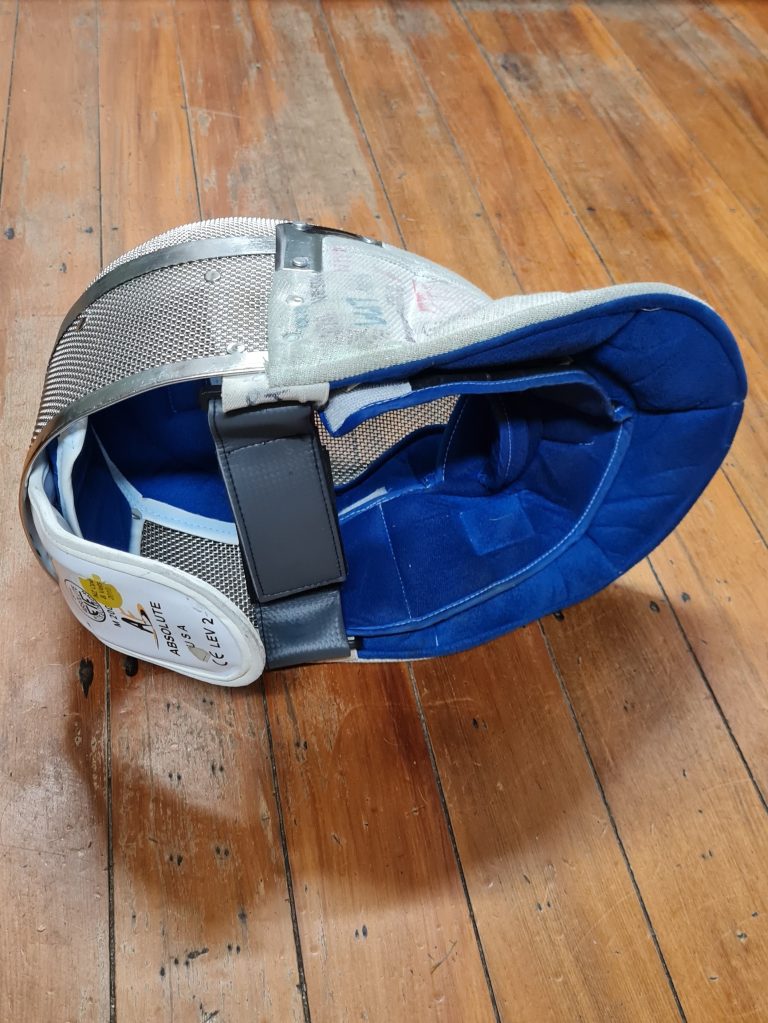
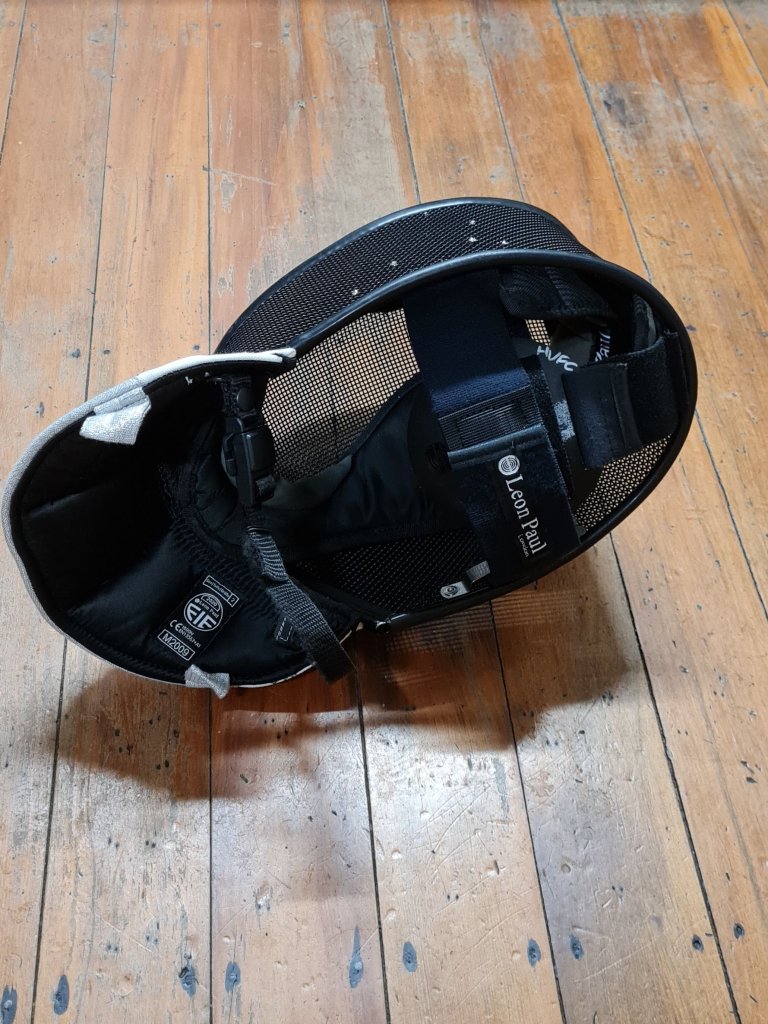
For Masks with normal tongues, you will be required to use a strap that doubles over like in the photo. This is applicable in all competitions and is encouraged at a club level.
An advantage that this system has is the adjustability coupled with addressing some safety concerns. Traditional elastic is subject to stretching an no longer functioning as intended. This system is easier to replace frayed elastic from excessive use.
Leon Paul Dome Mask
For Leon Paul masks with a dome back, you are required to have 2 safety systems securing the mask to your head. You require both the overlapping elastic strap which has both of the same benefits as mentioned previously.
The other system that you need is a second strap that affixes to the bib of the mask. Leon Paul sell a proprietary strap with magnetic ends that allow you to easily strap up and remove with one hand.
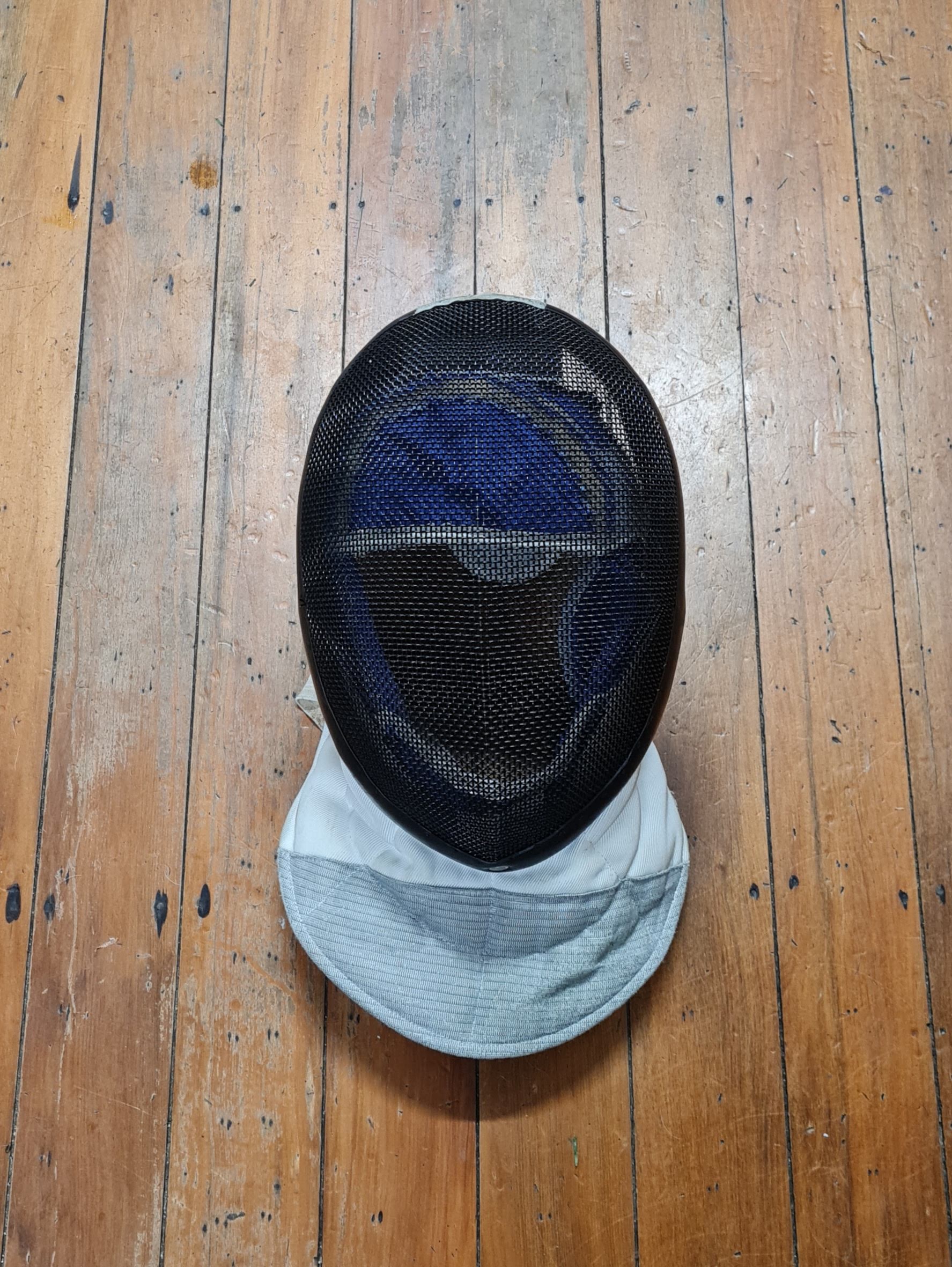
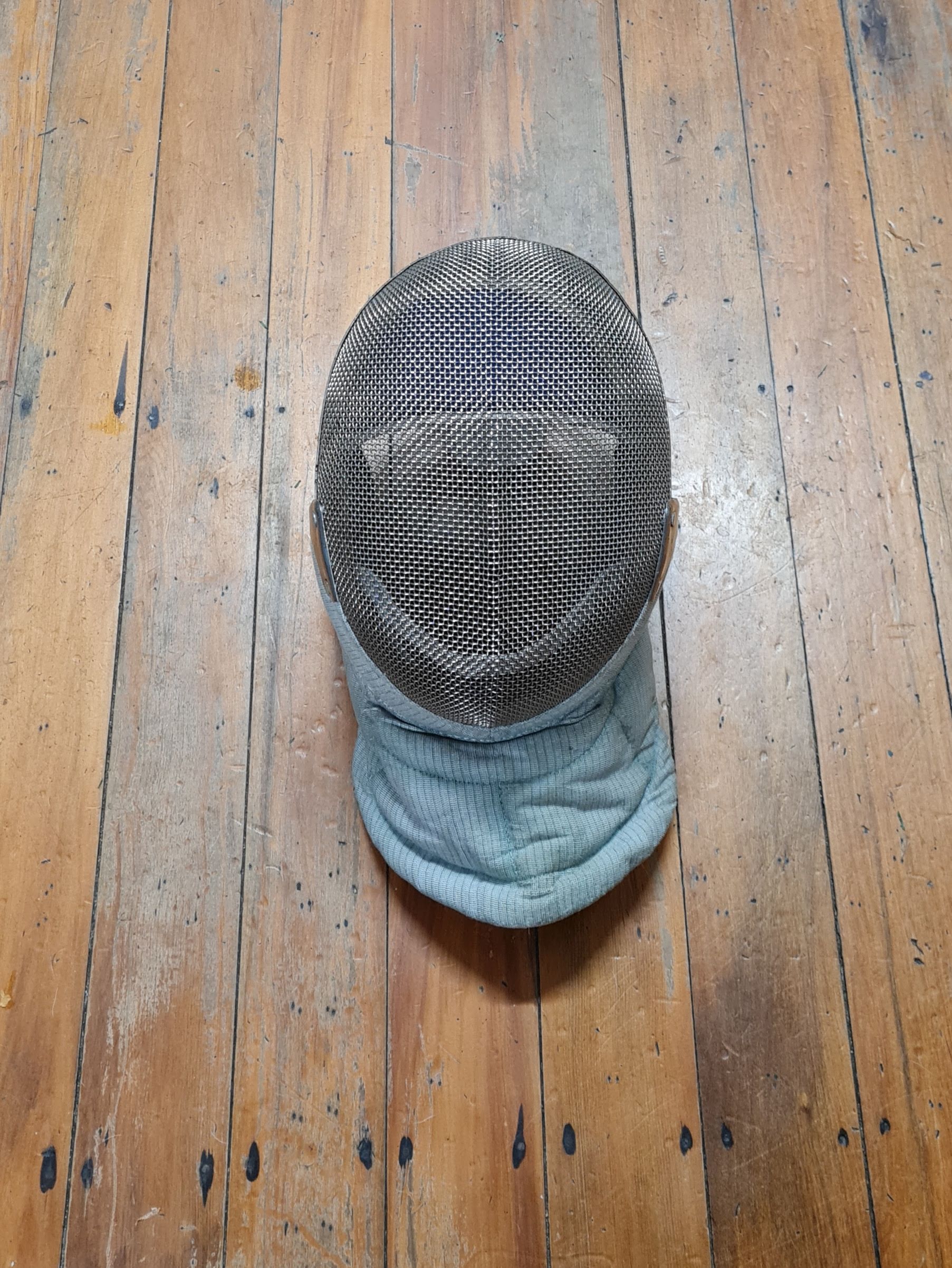
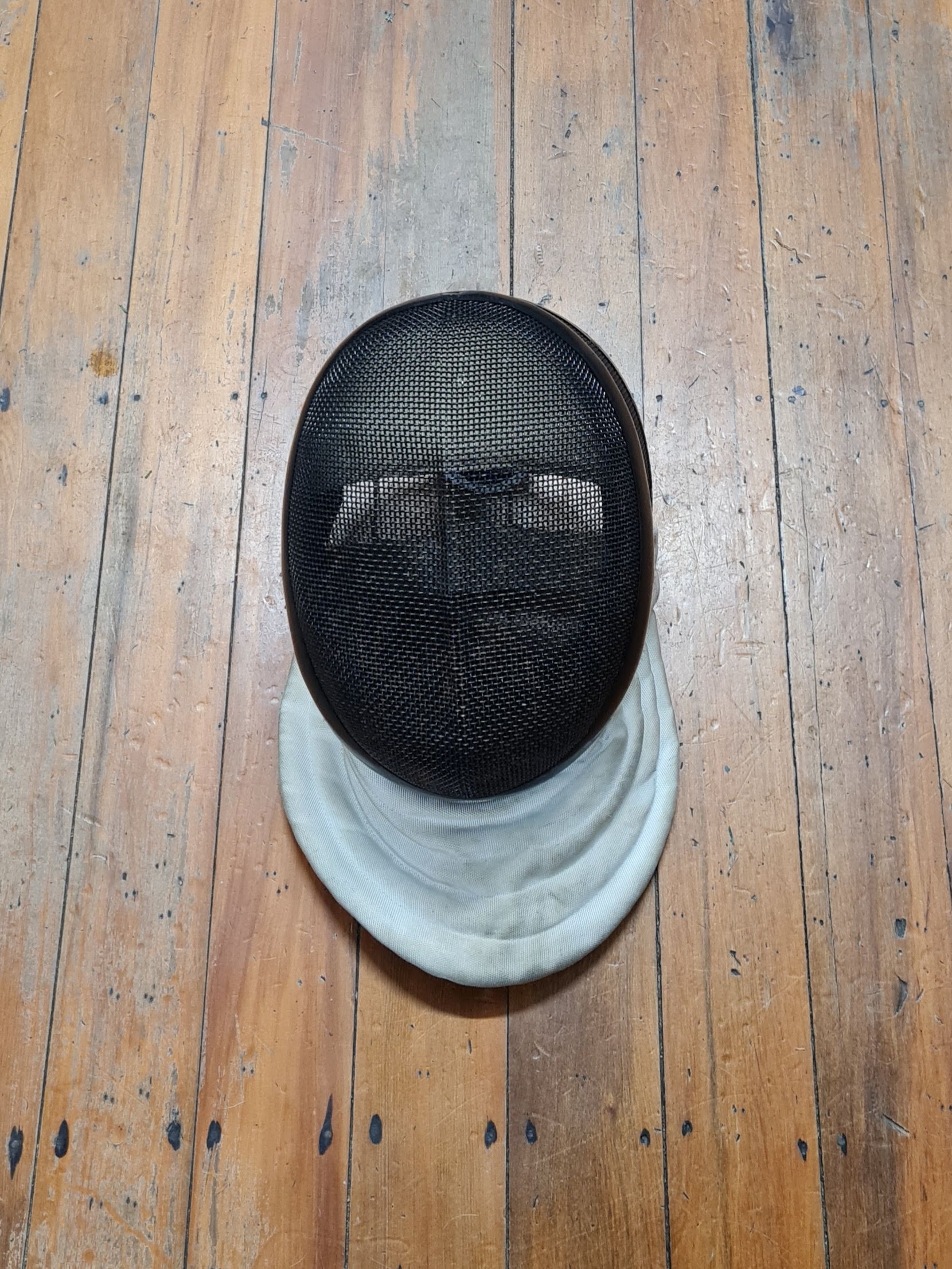
Not a helmet. Made from a steel mesh and kevlar bib, a mask protects your face, head and neck from being hit by a fencing weapon.
There are 3 different types of masks depending on what weapon you choose to fence. There are a couple of key difference to note about these.
Foil
The foil mask has an insulated mesh with a metallic lame that covers 3/4 of the bib. This is because the neck is valid target in foil where the head up neck are not. When any part other than the lame is hit, a non-valid light will display.
Sabre
The sabre mask has an un-insulated mesh with a full lame of the bib. The entire head and neck are a valid target. The blade of the sabre is conductive so when the mask is a hit, a on target (coloured) light will register.
Epee
The epee mask is fully insulated with no lame material on it at all. The whole body is target in epee, including the feet. This means that the electronics on the weapon work different from foil or sabre. Both of these weapons work by conducting on a lame (un-insulated surface) to register a valid hit on target).

 Hutt Valley Fencing Club